The evolution of dental prosthetics has reached a pivotal milestone with the emergence of modern overdenture technology. For decades, individuals grappling with significant tooth loss had to rely on traditional removable dentures, which often presented challenges regarding stability, comfort, and bone preservation. However, contemporary advancements are redefining the restorative experience, offering patients a hybrid solution that mirrors the function and aesthetics of natural teeth. By integrating precision engineering with bio-compatible materials, modern overdentures are not just replacing missing teeth; they are fundamentally restoring the quality of life and self-assurance for thousands of Australians.
The Engineering Behind the Stability
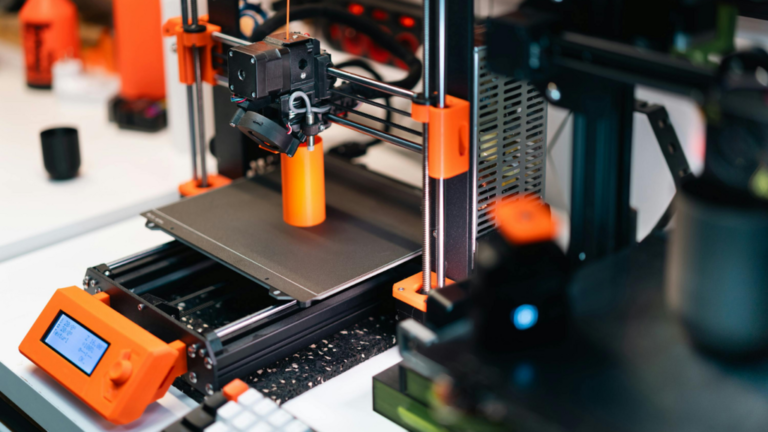
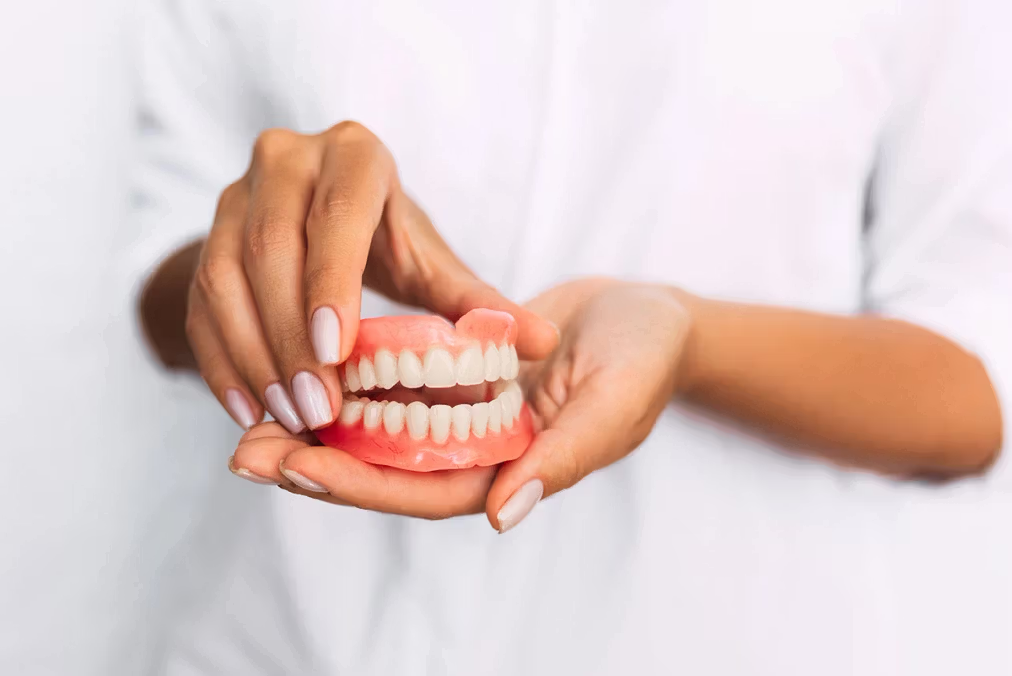
Traditional dentures sit directly on the gum tissue, relying on suction or messy adhesives to remain in place. This often leads to slippage during speech or meals, causing social anxiety and physical discomfort. In contrast, modern overdentures are secured by either natural tooth roots or dental implants. This “anchored” approach provides a level of stability previously unattainable. Using CAD/CAM (Computer-Aided Design and Manufacturing) technology, practitioners can now design prosthetics that snap onto these anchors with microscopic precision. This ensures that the biting force is distributed evenly, preventing the sore spots and “clicking” sounds associated with older dental models.
Preservation of Jawbone Integrity
One of the most significant, yet often overlooked, benefits of overdenture technology is its role in bone health. When teeth are lost, the underlying alveolar bone begins to resorb because it no longer receives the stimulation required to maintain its density. Traditional dentures do nothing to stop this process; in fact, the pressure they exert on the gums can accelerate bone loss. Because overdentures are supported by implants or roots, they provide the necessary stimulation to the jawbone. This preservation of bone structure is crucial for maintaining the natural shape of the face, preventing the “sunken” appearance that often accompanies long-term tooth loss.
Aesthetic Refinement and Customisation
Modern materials such as high-grade zirconia and layered acrylics allow dental technicians to replicate the translucency and texture of natural enamel. Every overdenture is a bespoke creation, tailored to the individual’s facial symmetry, lip line, and skin tone. Beyond the teeth themselves, the prosthetic “gum” area is meticulously shaded to blend seamlessly with the patient’s oral tissues. This level of customisation ensures that the smile looks authentic rather than manufactured. For many, this aesthetic leap is the primary driver of restored confidence, allowing them to smile in photographs and engage in social settings without the fear of their prosthetic looking artificial.
Enhanced Dietary Freedom and Speech
The functional limitations of old-school dentures often forced patients into restrictive diets, avoiding crunchy vegetables, tough meats, or sticky fruits. Because overdentures are firmly anchored, the wearer regains a significant portion of their original biting force. This allows for a more varied and nutritious diet, which has a direct impact on overall systemic health. Furthermore, speech clarity is greatly improved. Traditional dentures can shift and interfere with the tongue’s movement, leading to lisps or muffled sounds. The streamlined, secure fit of a modern overdenture ensures that the palate remains unobstructed, allowing for natural, confident communication.
The Importance of Clinical Selection
The success of this transformative procedure depends heavily on the expertise of the dental team and the technology they employ. It is essential to spend time choosing the right dental clinic when considering overdentures to ensure that the diagnostic phase is handled with the utmost care. A high-quality clinic will utilise 3D Cone Beam Computed Tomography (CBCT) to assess bone density and nerve placement before any implants are inserted. This digital precision reduces recovery time and increases the long-term success rate of the prosthetic. Patients should look for providers who prioritise a holistic approach, considering both the mechanical function and the artistic outcome of the final smile.
A Future-Focused Approach to Oral Health
As we look toward the future of restorative dentistry, the integration of digital workflows continues to streamline the patient journey. From the initial intraoral scan to the final fitting, the process is now faster and more comfortable than ever before. Many Australians are now seeking out tech-driven dental clinics that stay at the forefront of these innovations. By choosing a practice that invests in the latest diagnostic tools and bio-materials, patients ensure that their investment in their smile is protected by the best that modern science has to offer. The result is a durable, beautiful, and functional restoration that allows the individual to live their life to the fullest, free from the constraints of traditional tooth replacement methods.