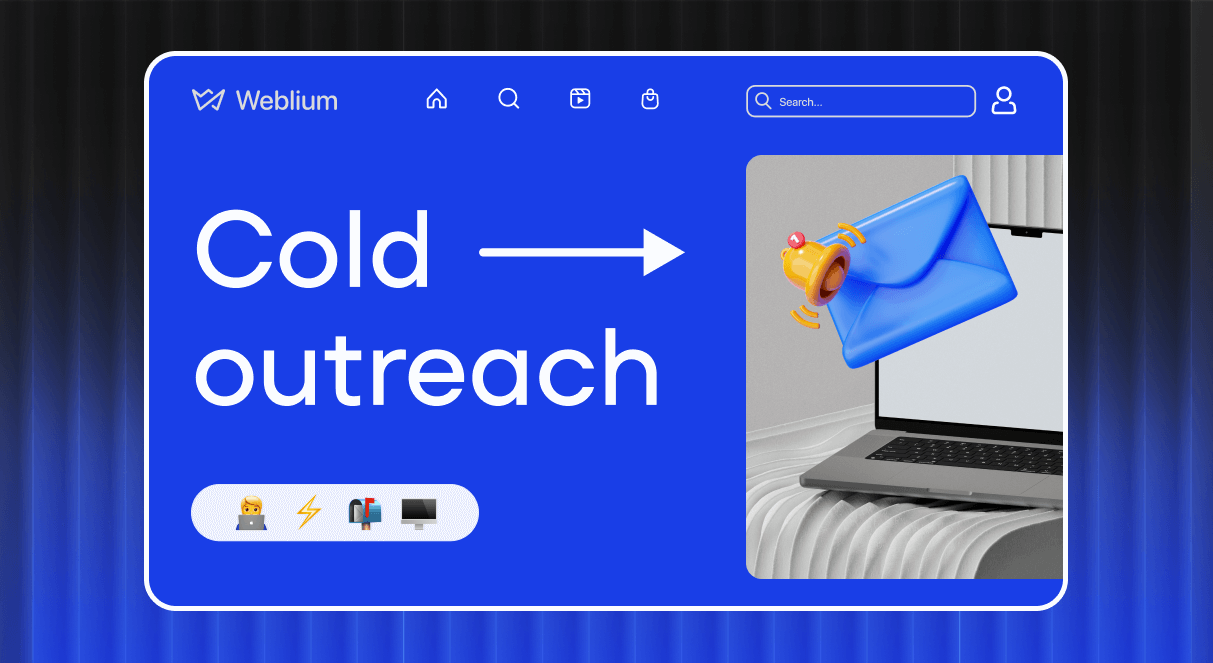
Selling a digital tool or SaaS product through cold outreach sounds intimidating, especially when you’re watching your budget. Traditional lead generation services can cost tens of thousands of dollars per year, and there’s no guarantee those leads are even relevant to what you’re selling. The good news is that a smart, structured cold outreach strategy doesn’t require a massive budget. It requires the right process, the right tools, and a clear understanding of who you’re trying to reach.
Start With a Clear Ideal Customer Profile
Before you send a single message, you need to know exactly who you’re targeting. This means going beyond broad categories like “small businesses” or “marketing managers” and getting specific. What industry are they in? What size is their company? What problems are they actively trying to solve right now?
Your ideal customer profile (ICP) is the foundation of every message you write. When your outreach is vague, your reply rates will reflect that. When your message speaks directly to a real pain point that a specific type of person faces every day, the conversation starts naturally.
Take time to document your ICP before building any list. Think about the job titles most likely to make purchasing decisions for your type of tool, the industries where your product solves the biggest problems, and the company sizes that match your pricing model. This clarity will save you hours of wasted effort later.
Build a Targeted Contact List Without Breaking the Bank
One of the biggest expenses in cold outreach is the contact list itself. Enterprise lead providers often charge enormous monthly fees for access to databases that may be outdated or poorly filtered. That’s a serious problem for early-stage founders and lean sales teams who need volume without the price tag.
There are more affordable ways to build a quality list. For teams that need to search by job title, seniority, industry, location, or company size, this tool offers access to millions of verified contacts at a fraction of what traditional providers charge. It’s a practical option for anyone who needs to build targeted outbound lists without committing to a five-figure annual contract.
The key is to filter aggressively. A smaller list of highly relevant contacts will always outperform a massive list of loosely matched prospects. Aim for precision over volume, especially when you’re testing your messaging.
Write Outreach Messages That Actually Get Read
Cold email copy is its own craft. The goal of the first message is not to close a deal. It’s to start a conversation. That shift in mindset changes everything about how you write.
Keep your opening emails short. Three to five sentences is often enough. Lead with something specific to the recipient rather than a generic introduction about your product. Reference their industry, a challenge common to their role, or something observable about their business. Then connect that observation to what you offer in one clear sentence.
- Avoid long feature lists in the first message
- Use plain text formatting rather than designed templates
- End with a single, low-commitment call to action
- Follow up two to three times over the course of two weeks
Testing subject lines and opening sentences makes a significant difference. Even small wording changes can shift open rates and reply rates noticeably. Track everything from the beginning so you know what’s working.
Use Social Channels to Warm Up Cold Prospects
Email is effective, but it works even better when prospects already recognize your name or your brand. Social media, particularly platforms like X (formerly Twitter), gives you a way to build familiarity before your cold email arrives.
Consistently posting useful content in your niche positions you as a credible voice. When a prospect receives your outreach email and they’ve already seen your posts in their feed, the conversation feels less cold. If managing a consistent posting schedule feels like a time drain, an automated posting tool for X can help you stay active without dedicating hours each week to content creation.
The combination of social presence and targeted email outreach creates a warmer overall experience for prospects, which tends to improve response rates significantly.
Measure Results and Improve Over Time
Cold outreach is a system, and like any system, it improves through iteration. Set up tracking for open rates, reply rates, positive reply rates, and conversion rates from first conversation to demo or trial. These numbers will tell you where your process is breaking down.
If open rates are low, your subject lines need work. If people open your emails but don’t reply, your message body needs refinement. If replies come in but conversations stall before conversion, you may need to revisit how you qualify leads or structure your follow-up sequence.
Review your metrics weekly when you’re first starting out. Small adjustments made early compound into meaningful improvements over time. The founders and sales teams that treat outreach as a process to be optimized consistently outperform those who treat it as a one-time campaign.
Keep Costs Low and Results High
Building a cold outreach strategy for a SaaS product doesn’t require an expensive agency or a bloated tech stack. It requires a clear ICP, an affordable way to find relevant contacts, well-crafted messages, consistent follow-up, and a habit of measuring what matters.
Start lean, test often, and refine what works. That approach will take you further than any expensive shortcut ever could.