Modern analytics environments rely on data flowing across many systems. Marketing platforms, CRM tools, finance software, and operational databases all contribute to reporting pipelines. While dashboards display final metrics clearly, tracing the exact path those metrics followed through different systems is often difficult.
Without visibility into how data moves and transforms, debugging discrepancies becomes time-consuming and governance becomes harder to maintain. Organizations facing these challenges frequently adopt MCP multi-source data workflows to improve cross-system data traceability and bring clarity to complex analytics pipelines.
Understanding Data Traceability
Data traceability refers to the ability to follow data as it moves across systems, transformations, and reporting layers. In multi-platform environments, a single metric may originate from one platform, pass through several transformation steps, and finally appear in dashboards used by multiple teams.
When traceability is weak, analysts cannot easily determine where a number came from or how it was shaped. Even accurate reports become difficult to validate because the path behind the data remains hidden. Clear traceability allows organizations to confidently track how raw data becomes final insight.
Multi-System Environments Increase Complexity
As organizations integrate more platforms into their analytics infrastructure, tracing data movement becomes more complicated. Each system has its own data structure, refresh schedule, and transformation logic.
Common traceability challenges include:
- Difficulty identifying the origin of specific metrics
- Hidden transformation logic within dashboards
- Unclear relationships between blended datasets
- Limited visibility into intermediate processing steps
Centralized Ingestion Improves Visibility
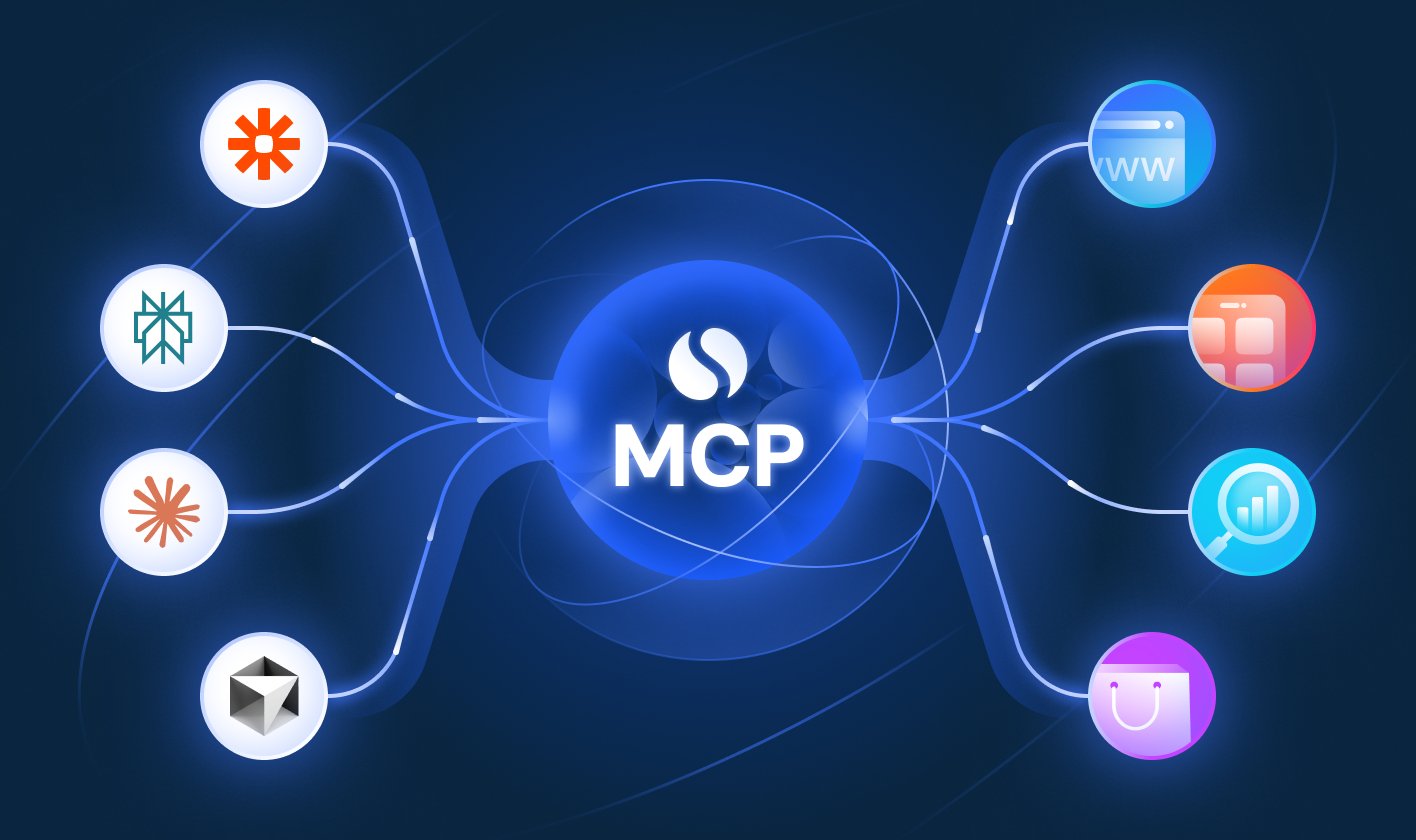
Traceability begins at the ingestion stage. When connectors operate independently, it becomes difficult to determine how data enters the reporting pipeline. MCP improves traceability by centralizing ingestion workflows so that data from different platforms is extracted through a unified orchestration layer.
Unified Data Entry Points
Central ingestion creates clear entry points for all external data sources.
Consistent Extraction Logic
Standardized extraction rules make it easier to trace where datasets originated. By consolidating ingestion, organizations gain a clearer view of how external data enters analytics systems.
Structured Transformation Layers
After ingestion, data typically passes through transformation layers where calculations, filters, and aggregation occur. When these transformations exist inside dashboards, they become difficult to audit. MCP improves traceability by centralizing transformation logic outside visualization layers.
Benefits of centralized transformations include:
- Transparent calculation logic
- Easier identification of metric definitions
- Reduced duplication of formulas across reports
Mapping Data Flow Between Systems
Cross-system traceability requires visibility into how datasets move between platforms. Without this mapping, analysts may only see the final output rather than the full workflow. MCP provides structured orchestration that maps the movement of data through each stage of the pipeline.
Typical traceability stages include:
- Data ingestion from external platforms
- Transformation and metric calculations
- Dataset blending and aggregation
- Delivery to reporting dashboards
Revealing Hidden Dependencies
Reporting systems often contain hidden dependencies. A calculated metric in one dataset may influence multiple dashboards across departments. When these relationships are not visible, updates can produce unexpected changes across reports.
MCP exposes these dependency chains so teams can see how transformations affect downstream reporting outputs. Dependency transparency improves operational confidence.
Improving Troubleshooting Efficiency
Traceability plays a crucial role in troubleshooting analytics issues. When discrepancies appear in reports, analysts need to determine where the inconsistency originated. Without clear traceability, troubleshooting requires investigating multiple systems and dashboards.
With structured data traceability, teams can quickly identify:
- The source platform providing the data
- The transformation stage affects the metric
- The reporting layer displays the result
Supporting Governance And Accountability
Traceability strengthens data governance by making it easier to monitor how information moves through analytics pipelines.
When workflows are transparent, teams can clearly see:
- Who owns transformation logic
- When changes were applied
- How updates affect downstream reports
Enabling Cross-Team Collaboration
Modern analytics environments involve collaboration between multiple departments. Marketing, finance, product, and operations teams may rely on the same datasets for different analyses.
Traceability ensures that everyone understands how metrics are generated. Analysts can explain the origin and transformation of data confidently. Shared visibility improves communication and reduces misinterpretation.
Scaling Analytics Without Losing Transparency
As organizations grow, their analytics ecosystems expand with new platforms and data sources. Without structured traceability, these additions can obscure how reporting systems function.
Platforms positioned as a Dataslayer unified analytics platform emphasize orchestrated ingestion, harmonized transformations, and centralized coordination to maintain data traceability across complex environments. Embedding traceability into infrastructure ensures that growth does not compromise transparency.
Recognizing Traceability Gaps
Organizations often recognize traceability gaps when analysts struggle to explain the source of metrics or when reconciliation takes longer than expected. Frequent debugging sessions or conflicting interpretations of the same metric often indicate that data traceability needs improvement. Addressing these gaps strengthens both reliability and trust.
Why Traceability Improves Analytics Reliability
Reliable analytics depends on understanding not only what the data shows, but how it was produced. MCP improves cross-system data traceability by clarifying ingestion paths, centralizing transformation logic, and exposing dependencies across reporting workflows.
With clear traceability, organizations gain confidence in their analytics systems. Teams troubleshoot faster, governance improves, and reporting workflows remain transparent even as data ecosystems grow more complex.