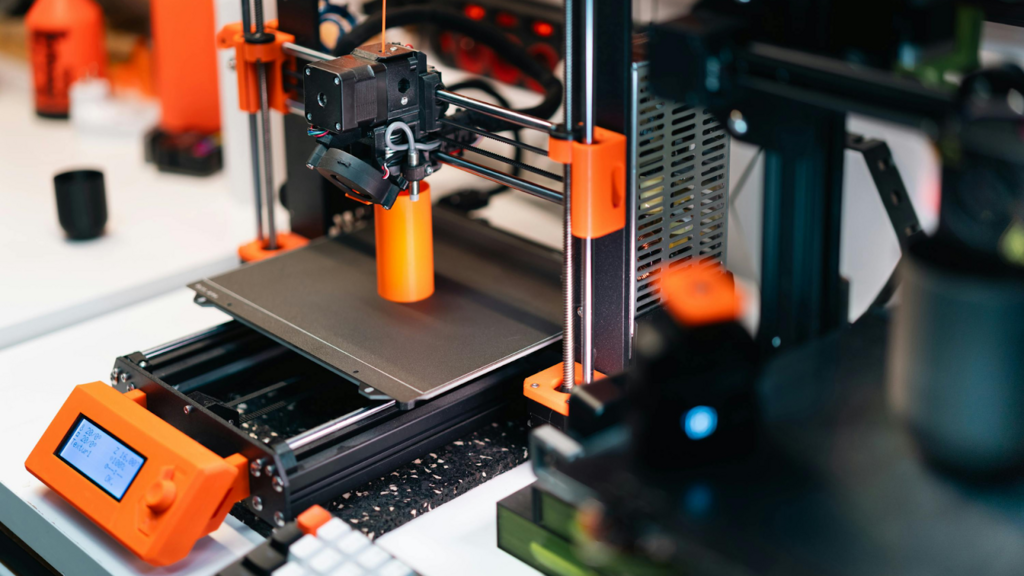
Starting a business is never easy. Founders often face tight budgets, fast deadlines, and the pressure to turn ideas into real products quickly. In innovation hubs across Sacramento, startups are finding a powerful tool to help them move faster: 3D printing.
Instead of waiting weeks for parts or spending heavily on traditional manufacturing, entrepreneurs can now design, test, and improve products in days. This speed gives young companies a real advantage.
From early prototypes to small production runs, 3D printing helps startups experiment, solve problems, and bring better products to market while staying flexible in a competitive business environment.
The Manufacturing Revival Nobody Saw Coming
Sacramento didn’t wake up one morning as an innovation center. City leadership made deliberate choices, recognizing that Sacramento needed contemporary tools to pull in serious makers and product developers.
The Strategic Case for Building Here
Geography tells part of the story. Sacramento occupies valuable middle ground, near enough to San Francisco for face-time with investors, yet affordable enough that your startup can actually lease manufacturing space.
The numbers tell the real story: commercial real estate runs 40-50% cheaper than comparable Bay Area locations. When you’re bootstrapping hardware, that gap represents survival versus shutting down.
The Sacramento startup community offers something less quantifiable but equally valuable. Founders genuinely support each other. You’ll find people sharing vendor contacts, equipment time, and lessons they learned the expensive way. This isn’t marketing fluff; it’s the practical infrastructure that prevents costly mistakes.
Within this environment, access to 3D printing service Sacramento providers also becomes part of that shared support network. Startups and civic innovators can quickly prototype parts, test ideas, and refine designs without heavy upfront investment. It’s a collaborative ecosystem that helps projects move from concept to reality much faster.
Why Location Still Matters in the Digital Age
Sacramento’s position isn’t luck, it’s logistics. Highway access, rail connections, and the Port of Sacramento simplify the unglamorous reality of moving physical goods. When you’re shipping prototype batches to beta customers or receiving material shipments, these operational details determine whether you hit deadlines or make excuses.
Universities matter too. Sacramento State and UC Davis graduate engineering talent annually, who often stick around rather than join the Bay Area commuting nightmare. You get a growing workforce that understands both conventional manufacturing methods and emerging technologies.
Real Applications Changing Industries
Visit Midtown Sacramento’s co-working spaces, and you’ll spot additive manufacturing solving actual problems. The technology has evolved far beyond desk toys.
Medical Breakthroughs Improving Patient Outcomes
Healthcare startups here are accomplishing impressive work with biocompatible materials. Local companies create custom prosthetics with precise patient fit because they’re built from individual body scans.
Recent research demonstrates that 3D teeth reconstruction from five intra-oral photographs can generate accurate dental models, dramatically accelerating prototyping cycles for medical devices.
This precision level didn’t exist five years back. Advances in scanning resolution and printing accuracy have unlocked possibilities that seemed theoretical not long ago. Dental laboratories, surgical planning operations, and medical device manufacturers are all capitalizing on these capabilities.
Environmental Responsibility Through Design
Environmental impact drives many local entrepreneurs. They’re testing recycled materials and engineering products that eliminate waste from the initial concept. Traditional manufacturing cuts away excess; additive processes use only the required material.
Multiple startups have established partnerships with recycling facilities to source plastic feedstock from regional waste streams. This approach reduces costs while closing the sustainability loop. The zero-waste methodology resonates with environmentally conscious buyers who scrutinize production practices.
Precision Parts for Aerospace Applications
McClellan Business Park, situated northeast of downtown, houses aerospace operations requiring precision components immediately. Rapid prototyping lets engineers test concepts, identify failures, and redesign within days rather than quarters. For defense contractors facing aggressive timelines, this velocity advantage proves essential.
Producing FAA-compliant parts on-demand has captured attention from larger manufacturers. Some partner with local startups instead of developing internal capabilities, generating revenue streams for smaller operations.
Financial Advantages That Extend Runway
Capital efficiency determines survival for early-stage ventures. Sacramento’s reduced operational expenses let founders stretch funding meaningfully and reach milestones without perpetually fundraising.
Affordability Translates to Breathing Room
Manufacturing-suitable commercial spaces are leased for substantially less than Bay Area equivalents. That preserved capital funds for materials, equipment purchases, or your first essential hire. Multiple founders have noted they can actually afford living near their production facility,a genuine luxury in California.
Talent acquisition costs less as well. Engineers and designers aren’t demanding $200K+ compensation packages just to cover housing. Competition for skilled people exists, but the economics actually work.
Proximity Without the Overhead
Being 90 minutes from Silicon Valley creates advantages, not limitations. You can drive to investor pitches, attend networking functions, or meet potential partners without full relocation. This positioning provides access without forcing adoption of Valley economics.
This balance appeals to entrepreneurs wanting investor access without requiring shared office buildings with their venture capitalists. Video conferences handle most communication effectively anyway.
Infrastructure That Actually Helps
The entrepreneurship ecosystem in Sacramento extends beyond affordable space and pleasant weather. Genuine support infrastructure exists for launching and scaling companies.
Capital Access and Mentorship
Local accelerators like StartupSac deliver structured programming for early-stage ventures. While they won’t write Sequoia-sized checks, they provide mentorship and connections that matter more initially. Government incentives and grants specifically targeting manufacturing technology offer non-dilutive capital that preserves equity.
Detailed research spanning 36 pages has examined how adversarial attacks impact machine learning models processing manufacturing data, crucial knowledge for startups developing AI-powered quality control systems. This security analysis level helps safeguard intellectual property in competitive sectors.
Workforce Development That Works
Sacramento State’s engineering curriculum emphasizes practical manufacturing competencies. Graduates understand production design, not just attractive CAD renderings. UC Davis contributes research collaborations and graduate-level expertise.
Technical education continues beyond universities. Local maker spaces conduct workshops covering CAD software through materials science. These resources enable team skill development without expensive external consultants.
Questions Founders Actually Ask
What distinguishes Sacramento from other California startup locations?
The convergence of affordability, market proximity, and authentic community collaboration creates conditions where hardware startups can genuinely build products. Lower expenses mean an extended runway and increased experimentation before scaling pressures hit.
How do companies here access specialized manufacturing equipment?
Shared facilities and maker spaces provide industrial-grade printers and CNC machines without major capital investment. Equipment leasing and partnerships with established manufacturers address remaining needs while companies build revenue.
Can Sacramento-based companies compete with Bay Area competitors?
Location matters less than execution, particularly for physical products. Multiple local companies have secured contracts from major corporations specifically because they prototype faster and cheaper than larger rivals.
The Future of Making Things
Sacramento’s innovation hubs represent more than fashionable co-working spaces serving artisanal coffee. They’re environments where 3D printing startups have access to tools, talent, and funding without impossible tradeoffs, and where a dependable 3d printing service helps teams advance from initial concept to working prototype without substantial equipment investment.
The city won’t replicate Silicon Valley, which probably benefits everyone involved. Instead, it’s establishing its distinct identity as a location where manufacturing still holds value, where founders collaborate genuinely, and where how startups use 3D printing directly impacts success. If you’re developing physical products and need space to scale, Sacramento’s transformation deserves serious consideration. The ecosystem here isn’t trying to be something it’s not; it’s building on actual strengths that matter for hardware companies.