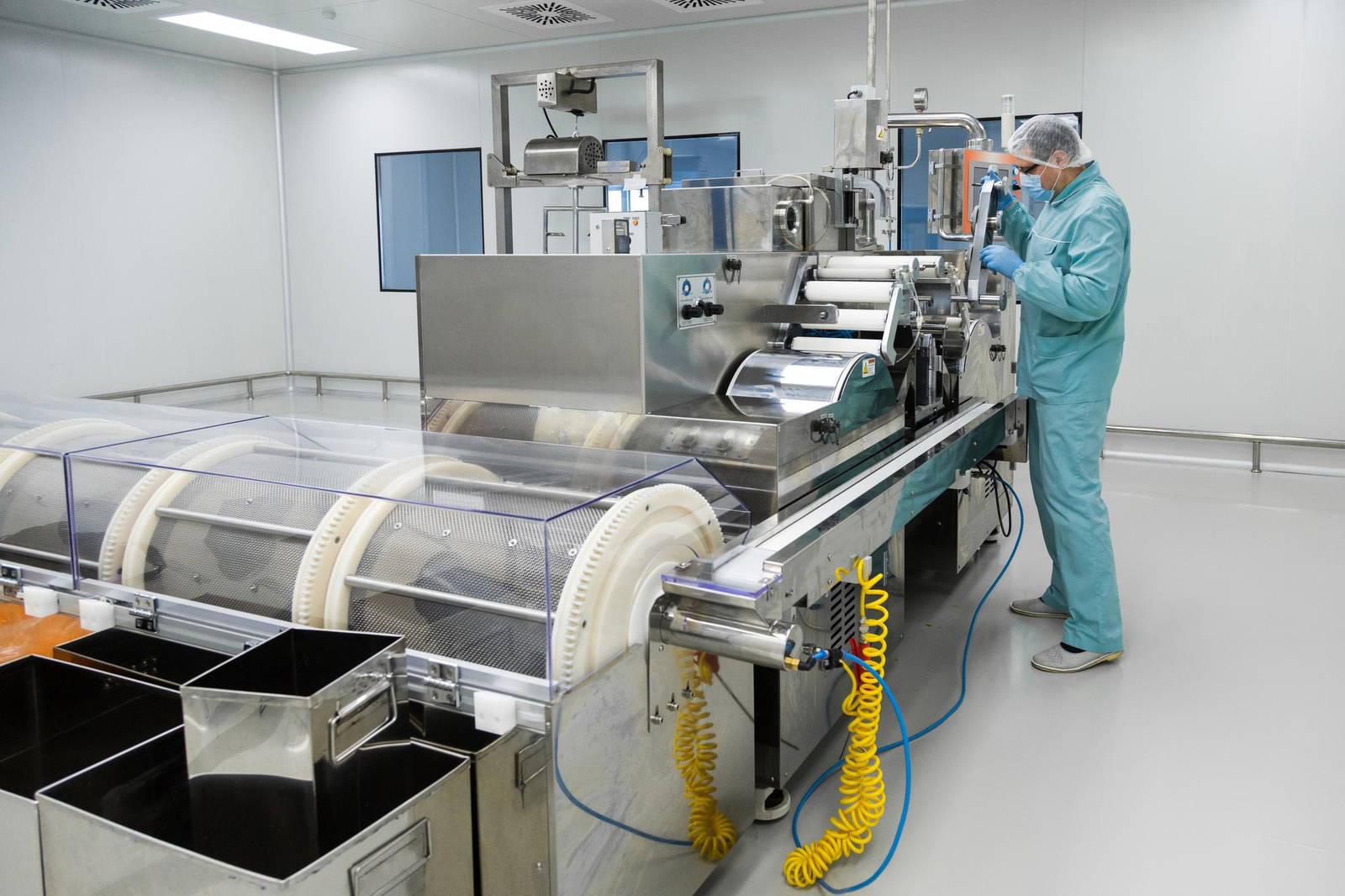
The global manufacturing landscape is currently undergoing a seismic shift. As we navigate through 2026, the demand for precision, sustainability, and rapid prototyping has never been higher. At the heart of this transformation lies machine plastic molding, a foundational technology that has evolved from simple repetitive casting to a highly intelligent, data-driven process.
Whether it’s the medical device sitting on a surgeon’s tray or the lightweight components of the latest electric vehicle (EV), plastic molding remains the unsung hero of modern convenience. In this article, we explore the trending innovations, the shift toward “green” polymers, and why selecting the right partner, such as Mejopac, is critical for staying competitive in today’s market.
The Rise of Smart Injection Molding
The most significant trend currently dominating the industry is the integration of Industry 4.0. Gone are the days of manual monitoring and “guesswork” calibrations. Modern machine plastic molding units are now equipped with IoT sensors that provide real-time feedback on pressure, temperature, and flow rates.
Predictive Maintenance and AI
Artificial Intelligence (AI) is now used to predict tool wear before a defect ever occurs. By analyzing millions of data points, these machines can self-adjust in milliseconds to compensate for environmental changes in the factory. This reduces scrap rates by up to 15%, significantly boosting the ROI for high-volume manufacturers.
Digital Twins
Engineers are now using “Digital Twin” technology to simulate the entire molding process in a virtual environment. This allows for the identification of potential “sink marks” or “air traps” before a single physical mold is even cut, saving months in the development cycle.
Sustainability: Beyond the Buzzword
In 2026, sustainability isn’t just a PR strategy; it’s a regulatory requirement. The “Circular Economy” has forced a pivot in how we approach plastic production.
- Bio-based Polymers: We are witnessing a significant increase in the use of PLA (Polylactic Acid) and PHA (Polyhydroxyalkanoates), which provide the durability of traditional plastics with a substantially lower carbon footprint.
- Closed-Loop Systems: Modern machine plastic molding facilities are implementing systems that regrind and reuse “sprues” and “runners” (the excess plastic from the molding process) immediately, ensuring near-zero waste.
- Energy Efficiency: New all-electric molding machines consume up to 60% less energy than their hydraulic predecessors, a vital factor as global energy costs continue to fluctuate.
High-Precision Micro-Molding
As electronics become smaller and medical implants more complex, the need for micro-molding has skyrocketed. We are no longer just talking about millimeters; we are talking about microns.
| Feature | Traditional Molding | Micro-Molding |
| Tolerance | +/- 0.1 mm | +/- 0.001 mm |
| Part Weight | Grams to Kilograms | Milligrams |
| Typical Use | Automotive panels, toys | Insulin pumps, micro-gears |
This level of precision requires specialized machinery that can maintain extreme stability under immense pressure. It is a testament to how far the engineering behind these machines has come.
Case Study: Efficiency in the Automotive Sector
Recent data from automotive manufacturing hubs suggests that the transition to plastic-heavy assemblies has helped EV manufacturers extend battery range by roughly 8-12% due to “lightweighting.” By replacing heavy metal brackets and housings with high-strength, reinforced plastic composites, brands are achieving better performance without sacrificing safety.
A leading EV manufacturer recently reported that by utilizing advanced machine plastic molding techniques, they were able to consolidate 15 separate metal components into a single, complex plastic part. This didn’t just reduce weight—it eliminated 14 assembly steps and significantly lowered the risk of mechanical failure.
Overcoming the Challenges of 2026
Despite the advancements, the industry faces hurdles. Supply chain volatility for raw resins remains a concern. This is where “Material Agility” comes into play. The best manufacturing setups are those that can quickly switch between different grades of resin or even recycled ocean plastics without requiring a complete overhaul of the machine settings.
Expert Insight: “The winners in the next decade of manufacturing won’t be those with the biggest machines, but those with the most adaptable ones. Flexibility is the new currency.”
Choosing the Right Partner: Why Experience Matters
When looking for a solution provider, it is easy to get lost in technical jargon. However, the core of successful production remains Experience, Expertise, Authoritativeness, and Trustworthiness (E-E-A-T).
A partner like Mejopac understands that machine plastic molding is not a “one size fits all” service. It requires a deep understanding of:
- Material Science: Selecting the right polymer for the specific environment.
- Mold Design: Creating durable tools that can withstand millions of cycles.
- Quality Control: Rigorous testing to ensure every part meets ISO standards.
Conclusion
The evolution of plastic molding is far from over. As we look toward the end of the decade, we can expect even more integration of 3D printing (additive manufacturing) with traditional injection molding to create “hybrid” parts that were previously thought impossible.
The marriage of AI, sustainable materials, and high-precision engineering ensures that plastic will remain a vital material for human progress. For businesses looking to scale, investing in high-quality machine plastic molding is no longer optional—it is the engine of innovation.
Frequently Asked Questions (FAQ)
Is plastic molding still cost-effective for small batches?
A: With the advent of “Quick-Turn” tooling and 3D-printed molds, the cost-entry barrier for small runs (100–1,000 parts) has dropped significantly, making it viable for startups.
How do I ensure my plastic parts are eco-friendly?
Look for manufacturers who specialize in post-consumer recycled (PCR) resins and those who utilize all-electric machinery to minimize carbon output during production.
What is the average lead time for a new mold?
While it used to take 12-16 weeks, modern CAD/CAM software and automated CNC machining have reduced lead times for many projects to 4-6 weeks.